
What Exactly Are Crypto Gambling Platforms and How Do They Work?
Top Crypto Gambling Sites for 2025: A Safe and Transparent Guide to Bitcoin Casinos
Crypto gambling sites are online platforms where users place wagers using cryptocurrencies like Bitcoin or Ethereum instead of traditional fiat money, with transactions processed directly on a blockchain. This setup means deposits and withdrawals are typically faster and more pseudonymous, as you only need a digital wallet rather than a bank account or card. Instant, low-fee payouts are a key advantage, since blockchain transfers bypass intermediary banking delays and often carry minimal transaction costs. To use them, you simply fund your wallet with crypto, send it to the site’s address, and then play the available games—such as slots, poker, or dice—with your balance tracked on the platform’s ledger.
What Exactly Are Crypto Gambling Platforms and How Do They Work?
Crypto gambling platforms are online casinos and betting sites that operate exclusively with digital currencies like Bitcoin, Ethereum, or stablecoins, replacing traditional fiat deposits and withdrawals. When you join one, you create a wallet address on the site, send crypto to it, and receive an equivalent balance in the platform’s native token or in the same coin—no bank, no credit card, no identity verification for most anonymous bets. Each wager you place is recorded on the blockchain, where a provably fair algorithm lets you verify the outcome’s randomness yourself by checking the server seed and client seed. The house edge is hard-coded into the game’s smart contract, so payouts are instant and cannot be reversed, and you can withdraw your winnings directly to your personal wallet at any time. Speed and autonomy are the core advantages—transactions settle in seconds, regardless of your location. However, this same speed means you must manage your own bankroll discipline, as there is no intermediary to pause a losing streak. Essentially, these platforms replace trust in a human operator with trust in code, giving you direct, verifiable control over every coin.
Understanding the Difference Between Crypto Casinos and Traditional Online Casinos
The core distinction between crypto casinos and traditional online casinos lies in the underlying transaction and verification layer. A crypto casino operates on blockchain technology, meaning deposits and withdrawals are processed via public ledgers, often within minutes, and without the need for a bank or card processor. Traditional sites rely on fiat currency rails, which introduce intermediary fees, slower payout times, and mandatory KYC checks tied to your banking identity. In contrast, a crypto platform typically requires only a wallet address, offering pseudonymity and full user control over funds. The provably fair verification system is another unique differentiator—it allows you to mathematically audit every game outcome, something impossible with closed-source traditional RNGs. This shifts trust from a company’s word to cryptographic proof. Additionally, your bankroll on a crypto site is always held on-chain, meaning you are not exposed to the same custodial freeze risks that can affect fiat accounts.
- Transaction speed: crypto transfers settle in seconds to minutes; fiat can take days.
- Identity requirements: crypto often needs none; traditional always demands full KYC.
- Auditability: provable fairness is native to crypto; traditional outcomes are opaque.
- Asset type: you wager volatile coins vs. stable fiat currencies.
The Role of Blockchain Wallets, Private Keys, and Instant Deposits
In crypto gambling, the wallet functions as the sole gateway between your funds and the platform’s smart contracts, with private keys serving as the ultimate authority over asset control. Because blockchain transactions bypass intermediaries, deposits become instant once the network confirms the block, typically within seconds to minutes depending on congestion. However, this immediacy cuts both ways: a retained wallet on the casino site exposes your private key to that platform’s security posture, while a non-custodial wallet requires you to manually sign each transaction, adding a layer of friction but preserving sovereignty. Deposit speed is therefore less about the casino’s processing and entirely about the blockchain’s block time and your chosen fee tier. Withdrawals mirror this logic, but the wallet address you provide becomes irreversible, so a single typo permanently severs funds. Practical management demands separating hot wallets for play from cold storage for reserves.
How Provably Fair Algorithms Ensure Transparent Game Outcomes
Provably fair algorithms strip away the mystery by letting *you* verify every single outcome. Before a bet, the platform gives you a hashed server seed, and after it, they reveal the unhashed seed plus your own client seed. You simply plug these into a hash function to confirm the result wasn’t tampered with mid-game. This means every roll, card, or spin is cryptographically locked before you play—there’s no “house edits the result” trick. The beauty? You don’t need to trust the site’s word; the math does the talking. For crypto gamblers, this transparency is the core reason trustless verification of game fairness feels liberating, turning blind luck into a checked, open process you can audit in seconds.
Key Benefits of Wagering with Digital Currencies on Gambling Websites
Betting with digital currencies on crypto gambling sites gives you instant deposits and withdrawals, skipping the dreaded bank-processing wait times. You’re not handing over sensitive card or bank details, so each wager stays pseudonymous and less exposed to data breaches. Transaction fees are typically minimal, meaning more of your bankroll actually goes toward gameplay rather than overhead. Since blockchain records are public, you can verify that a roll or deal was fair, which builds trust without relying on a casino’s word. Plus, you can move winnings straight back to your wallet anytime—no “pending” limbo or manual approval delays.
The real edge is control: your funds, your pace, and zero gatekeepers between you and the next bet.
It’s a smoother, more direct way to play for anyone tired of legacy banking friction.
Why Anonymity and Privacy Are Stronger with Cryptocurrency Transactions
Unlike traditional banking, which leaves a visible trail of deposits and withdrawals, cryptocurrency transactions operate on pseudonymous networks. This means your wagers and payouts are not directly linked to your legal identity, but to a unique wallet address. Consequently, casinos cannot demand intrusive KYC documentation for every cash-out, preserving your financial autonomy. While the blockchain is public, the connection between your real-world self and your wager history remains obscured unless you voluntarily link them. This separation is crucial for players who prioritize discretion. The strongest advantage is that your bank statements never reveal gambling activity, offering true financial privacy.
- Wallet addresses shield your name from transaction histories.
- No personal details are required for on-chain deposits or withdrawals.
- You control when, if ever, to reveal your identity to a platform.
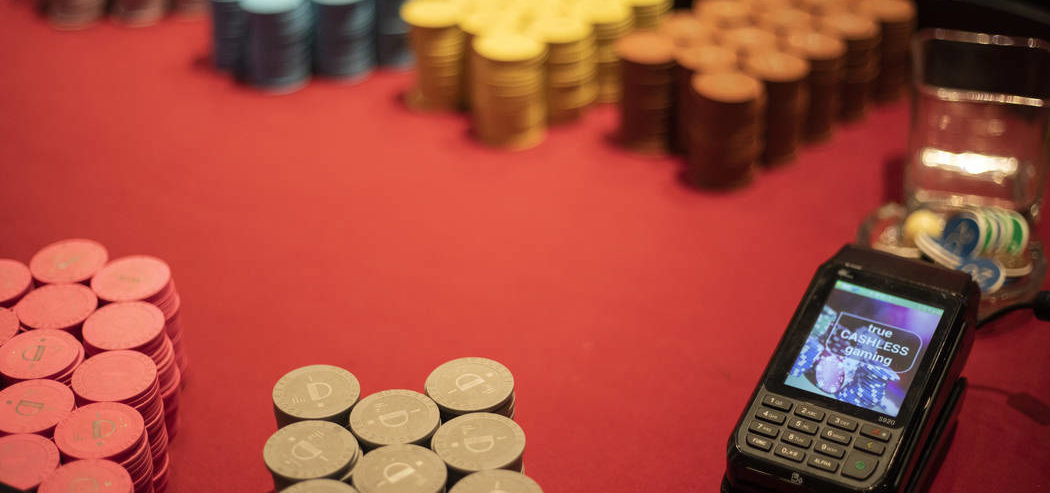
Faster Withdrawals and Lower Transaction Fees Compared to Fiat Options
Crypto payments eliminate the multi-day settlement delays inherent to bank transfers and card payouts, processing withdrawals in minutes rather than 3–5 business days. This speed stems from blockchain finality, which bypasses intermediary verification. Additionally, network fees for BTC, ETH, or LTC settle at a fraction of the 2–3% charged per fiat transaction, alongside hidden currency-conversion markups imposed by payment processors. Players retain more of their winnings because the cost to move funds is near-fixed and independent of the amount, making high-roller cashouts disproportionately cheaper. For regular withdrawals, this translates directly into lower operational friction and superior capital efficiency compared to legacy banking rails.
Global Accessibility Without Banking Restrictions or Currency Conversion Costs
Crypto gambling sites eliminate the friction of fiat banking by enabling deposits from any jurisdiction where digital assets are legal, circumventing traditional payment processor blacklists and regional banking prohibitions. Players avoid mandatory currency exchanges because BTC, ETH, or stablecoins function as a universal ledger, so a wallet funded in one country spends identically in another without hidden conversion spreads. Borderless crypto wagering also removes the need for local bank approvals or card issuer permissions, as transactions settle directly on-chain. However, the practical benefit hinges on the player’s existing access to an exchange, which still introduces a local fiat on-ramp but only once, not per wager. This reduces both time delays and cumulative conversion losses when moving between currencies repeatedly.
- No recurring FX fees on each deposit or withdrawal
- No rejection based on your bank’s country of operation
- Single wallet balance works across all supported crypto platforms
- Eliminates waiting for international wire clearances
What Features Should You Look for When Choosing a Crypto Betting Site?
When evaluating crypto gambling sites, prioritize provably fair verification tools, allowing you to cryptographically confirm each bet’s outcome. Check for instant withdrawals with low or zero network fees, ideally supporting multiple cryptocurrencies like Bitcoin, Ethereum, and stablecoins. Look for anonymous play options—wallet-only login without KYC—while ensuring the platform has a clear, transparent house edge disclosed per game. Assess betting limits and wagering requirements, especially for bonuses, to avoid locked funds. Confirm that the site’s random number generator is openly auditable in real-time, not just via a static certificate. Finally, test the live betting interface for low latency and responsive cash-out features, as these directly impact your in-game control and profitability.
Evaluating Game Libraries: Slots, Live Dealer, Sportsbooks, and Crash Games
When sizing up a crypto betting site, dig into the actual game library depth before depositing. For slots, check if top-tier studios like Hacksaw or Pragmatic are present, and confirm provably fair titles are clearly labeled. Live dealer sections should offer multiple tables with real-time chat and low house-edge variants like Side Bet City. Sportsbooks need competitive odds across crypto-friendly leagues, plus instant cash-out options. Crash games must display visible RNG seeds and adjustable auto-cashout levels. A solid library balances quantity with quality, not just thousands of random games.
- Filter slots by RTP percentage and bonus buy availability.
- Test live dealer streaming latency with a free-play mode.
- Verify sportsbook markets include altcoin-specific props.
- Confirm provably fair verification for every crash round.
Checking Bonus Structures, Free Spins, and No-Wagering Promotions for Digital Assets
When evaluating crypto betting promotions, scrutinize the wagering requirements attached to digital asset bonuses, as they often differ from fiat terms. Check whether free spins apply only to specific slot titles and if their winnings are capped in BTC or ETH. Prioritize no-wagering offers where bonus funds convert directly to withdrawable crypto, bypassing turnover multipliers that erode your bankroll. Always verify if deposits made with altcoins like Dogecoin or Litecoin qualify for the same bonus percentage as Bitcoin, and confirm whether the bonus’s value is pegged at deposit time or redemption time—a volatile price swing can silently alter your effective payout.
Bonus clarity hinges on three checks: the wagering multiplier, free spin asset eligibility, and whether the promotion is genuinely no-wager—all measured against your specific digital coin.
Importance of User-Friendly Interfaces, Mobile Compatibility, and Customer Support
A smooth, user-friendly interface isn’t just about looks—it’s about finding your bet in two clicks, not ten. On mobile, that means a site that loads fast on your phone, with buttons that aren’t microscopic and a layout that doesn’t require constant zooming. Since you’ll likely wager from a couch or a commute, test the mobile browser version before depositing; a clunky app is a red flag. And when something glitches at 2 a.m., responsive customer support is your lifeline. Live chat that actually replies in minutes, not days, matters more than a fancy FAQ page, especially when crypto transactions are irreversible.
Q: Why does mobile compatibility matter for crypto betting?
A: Because most players bet moreniche on the go, and a sluggish or broken mobile interface ruins the experience—so test the site’s responsiveness on your device first.
Practical Tips for Getting Started with Digital Currency Gambling
Start by funding a dedicated crypto wallet, not an exchange hot wallet, and transfer only a small test amount to the gambling site to confirm the deposit address works. Use a provably fair game’s verification feature immediately—hash the seed and check the outcome to build trust before betting real value. Set a hard bankroll in fiat terms (e.g., $50) and convert only that amount into a stablecoin like USDT to avoid volatility wiping your stake mid-session. Always enable two-factor authentication and withdraw winnings to your private wallet right away, since exchange or site balances are prime theft targets. Test the withdrawal process with a tiny amount first to learn their confirmation times and fees.
Never gamble with coins you’re not prepared to lose entirely—crypto transactions are irreversible, so a single mis-sent deposit or a scam contract can erase your funds permanently.
Finally, keep a spreadsheet of every bet and deposit address to track your actual cost per play, not just the token price.
How to Fund Your Account Safely: Step-by-Step Guide for First-Time Users
To fund your account safely, start by generating a fresh deposit address directly from the casino’s cashier page—never reuse a personal exchange address. Next, send a small test amount (e.g., $5) to confirm the network matches the selected coin, then verify the transaction on a block explorer before increasing the sum. After the funds reflect, enable two-factor authentication immediately, and whitelist your withdrawal address for future payouts. Always double-check the deposit URL for HTTPS and avoid pasting addresses from chat or third-party sites.
- Use a dedicated e-wallet between the exchange and casino to mask your main wallet.
- Set a personal deposit limit in the casino’s responsible gambling tools.
- Record the transaction ID and timestamp for every deposit as a backup record.

Using Stablecoins vs. Volatile Coins: Which Is Better for Managing Your Bankroll?
When you’re managing your bankroll at crypto gambling sites, stablecoins like USDT or USDC are usually the smarter play because your balance won’t swing while you’re mid-session. Volatile coins (think Bitcoin or Ethereum) can pump your funds one hour, then slash them the next—turning a winning streak into a loss before you cash out. To keep your bankroll management strategy tight, stick with stablecoins for wagers and reserves, then transfer profits to volatile assets only after withdrawal. If you do use volatile coins, set a strict conversion rule:
- Deposit only what you’d bet in one sitting.
- Convert 50% to a stablecoin immediately.
- Rebalance every few hours to lock in price moves.

The goal is predictable betting capital, not crypto trading—save the volatility for your wallet, not your stack.
Setting Deposit Limits and Using Self-Exclusion Tools for Responsible Play
Before wagering any digital currency, configure deposit limits directly on the crypto gambling site, as these cap your daily, weekly, or monthly funding amounts, and most platforms let you adjust them only after a cooling-off period, which prevents impulsive raises. Pair this with self-exclusion tools, which block access to your account for a chosen duration or permanently, and ensure you activate both features before a losing streak, not after, since revocation is intentionally difficult. To start, follow this sequence:
- Locate the “Responsible Gaming” or “Limits” tab in your account settings.
- Set a fixed crypto deposit cap that matches your disposable budget.
- Enable self-exclusion for a short trial period, then extend if needed.
Finally, use the site’s session timers—these are part of self-exclusion tools—to force breaks, keeping your bankroll and mental state stable.
Common Questions Beginners Have About Playing with Crypto
Newcomers to crypto gambling sites often first ask whether their digital assets are safe on the platform, so a practical answer is to start with a small deposit and withdraw winnings frequently. Another common question is how transaction speeds differ from credit cards—crypto deposits typically confirm in minutes, while withdrawals depend on network congestion. Beginners also wonder if they can gamble with any coin, but most sites only accept specific tokens like Bitcoin or Ethereum, so check the accepted list before funding. The biggest uncertainty is volatility: your bankroll’s fiat value can shift between placing a bet and cashing out.
To avoid surprises, convert your crypto to a stablecoin like USDT for wagering, then back to your preferred asset only when you are ready to withdraw.
Finally, many ask about a minimum bet—this varies by game, but provably fair titles usually allow micro-stakes, making them ideal for testing the mechanics without risking much.
Are My Winnings Taxable and How Do I Keep Records of Transactions?
Yes, your crypto winnings are taxable in most jurisdictions, treated as income at fair market value on the day you receive them. Since casinos don’t issue tax forms, you must self-report. To stay audit-proof, maintain a transaction log capturing the date, wallet address, game played, stake amount, and payout in both crypto and USD. Use portfolio trackers or spreadsheet templates to reconcile deposits, withdrawals, and net gains. Accurate crypto gambling records protect you from overpaying or underreporting. Also, track fees and conversion rates, as they affect your cost basis. For every session, screenshot the bet history and the blockchain hash for verification.
- Log every deposit and withdrawal with timestamps and wallet IDs.
- Convert winnings to USD at the exact moment received for tax valuation.
- Save screenshots of bet results and transaction hashes.
- Use dedicated crypto tax software to calculate realized gains from gambling.
What Happens If a Site Goes Offline—Can I Recover My Funds?
If a crypto gambling site goes offline, fund recovery is rarely guaranteed and depends entirely on whether you control the private keys. On custodial platforms, where the site holds your funds, an abrupt shutdown often means your balance is lost, as there is no central authority to compel repayment. However, if you used a non-custodial site that interacts directly with your wallet, your assets remain safe on the blockchain—though your pending bets or in-game credits may still be forfeited. The only practical step is to immediately check the site’s official communication channels for a withdrawal window, but after a hard exit, recovering funds from a vanished crypto gambling site is almost impossible.
How to Spot Scams, Fake Bonuses, and Unverified Withdrawal Policies
To spot scams, verify a site’s bonus terms list the exact wagering multiplier and maximum bet before you deposit—a fake bonus often hides a 50x playthrough or excludes crypto deposits entirely. Check withdrawal policies by reading the cashier page: legitimate sites state minimum amounts, processing times, and KYC triggers in plain text, while unverified policies use vague phrases like “manual review” or “up to 72 hours” without a fixed schedule. Always test with a small withdrawal first, and search the site’s name plus “payment delay” to see if users report frozen funds. Unverified withdrawal policies are the biggest red flag, as scam sites approve deposits instantly but stall payouts indefinitely.